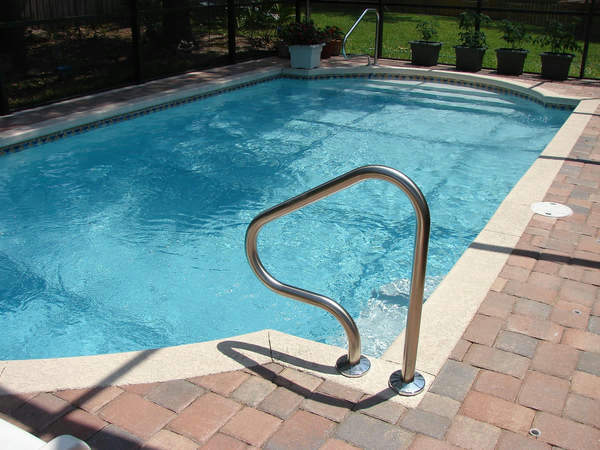
Many homeowners notice that their swimming pool occasionally loses water and wonder about the underlying causes. Understanding why this happens is crucial, as it helps in maintaining the pool effectively and avoiding unnecessary expenses. This topic is essential for property buyers and homeowners alike, as it impacts both the upkeep of the property and the safety of the pool area.
Evaporation: A Common Culprit
One of the most common reasons for water loss in swimming pools is evaporation. This natural process can be influenced by several factors:
- Temperature: Warmer temperatures increase evaporation rates, particularly in summer.
- Humidity: Lower humidity levels lead to higher evaporation.
- Wind: Windy conditions accelerate evaporation by moving moisture away from the pool’s surface.
To reduce evaporation, homeowners can use pool covers when the pool is not in use, which can significantly conserve water.
Leaks: An Underlying Issue
Beyond evaporation, leaks can also cause substantial water loss. Signs of a leak may include a noticeable drop in water level unrelated to weather conditions or increased water bills. Key areas to inspect for leaks include:
- Pool Shell: Cracks or breaks in the pool structure can lead to leaks.
- Plumbing System: Leaks in the pool’s plumbing can occur underground or at connections.
- Equipment: Pumps, filters, and heaters may develop leaks over time.
Professional inspection services can visually assess these components and recommend further evaluation by a specialist if necessary.
Conclusion
Understanding the causes of water loss in swimming pools—such as evaporation and leaks—can help homeowners manage their pool’s condition effectively. Regular maintenance and professional inspections play a critical role in ensuring the longevity and safety of a swimming pool, making them a valuable asset for any homeowner.
Recent Comments